Julie Cavanaugh is an award-winning interior designer who runs Design Matters, a one-stop design firm with multiple locations in Wyoming and California. When she is not helping her clients style their homes, Julie Cavanaugh enjoys spending time hiking and wine tasting.
Many people are taking up wine tasting, a hobby that involves using some of your senses to evaluate wine. The methods of wine tasting have evolved over the years. Today, wine tasting has five key steps used to determine the general characteristic, flavors, and aromas of a wine.
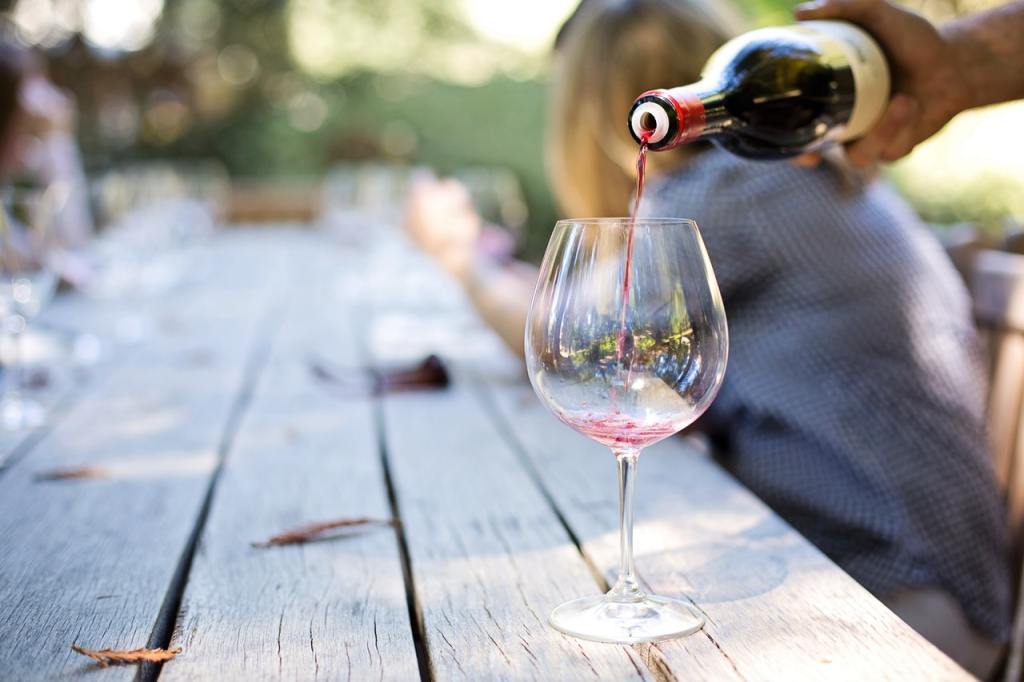
The first step of wine tasting is looking at the wine. This helps you determine its color, which could be clear or red, and its age. In most cases, the darker the wine, the more aged it is, and it also tastes better. The second step of wine tasting is pouring the wine into a wine glass. As you pour the wine, swirl the glass to release the complex smells and scents developed as the wine aged.
The third step is smelling the wine so you can capture the wine’s aroma. To do this, tilt the wine glass and bring it up to your nose. Next is sipping the wine. You don’t want to take it like you take water, instead take a sip of the wine and let it stay on your tongue for a while to suck air and for you to absorb its taste. Finally, tilt your head back so the wine can run down your throat as you swallow it.
Through this process, you’ll be able to tell if a wine’s taste is sweet, sour, salty, or bitter and if it has a citrus, floral, earthy mushroom smell. You can also tell the aging techniques used to produce the wine, vineyard location, and much more.

 Julie Cavanaugh